
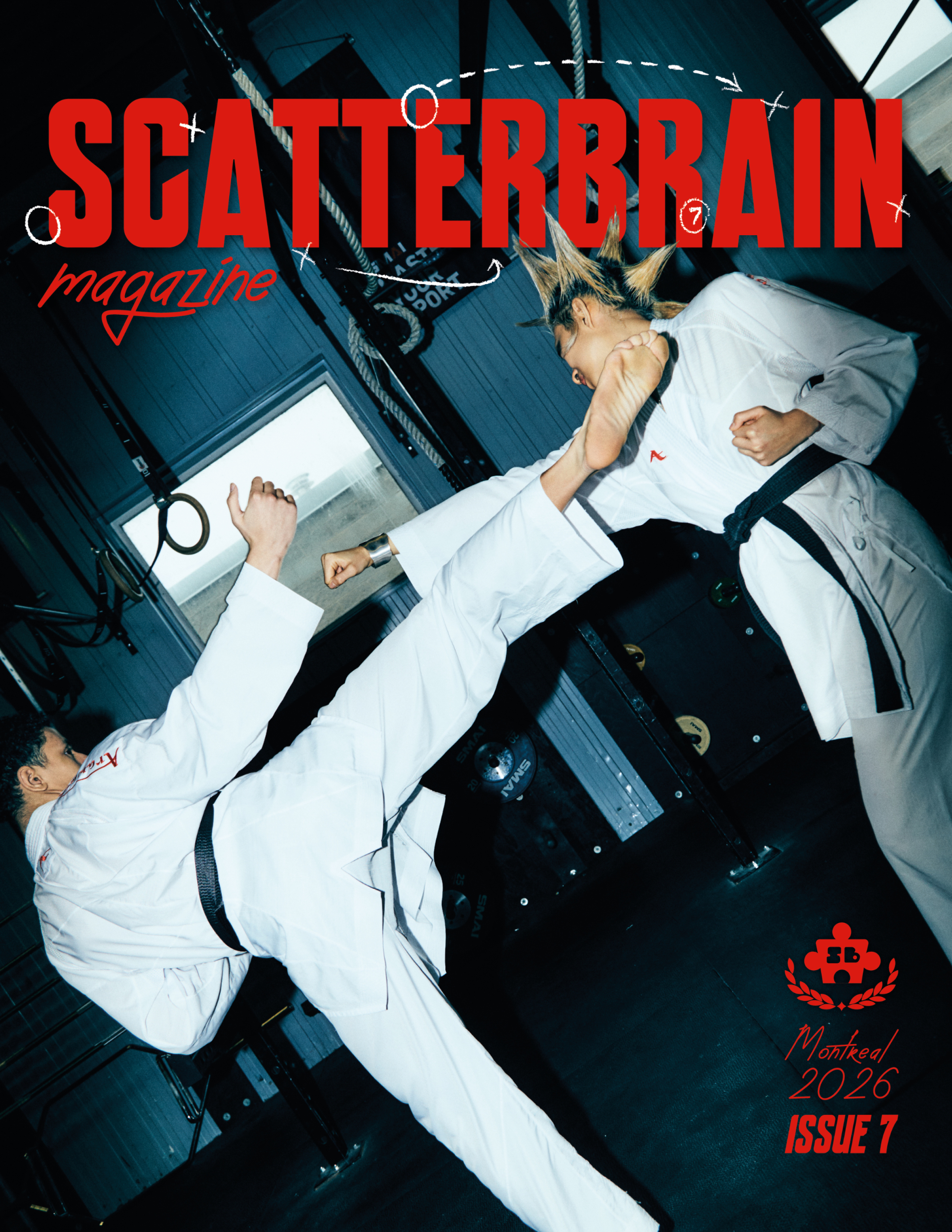
Dear readers, athletes, and artists: fear not, because there is something here for everyone. In this Montréal issue, we look at how art and sports converge and diverge. How together, we push to be the best of the best, to rise to the top in our own ways. Athletes are told they can “go pro,” go to college, succeed. They are pushed and pushed, sometimes beyond their breaking point. Artists often fall into the neverending trope of the “starving artist,” told to manage their expectations. Sport is shown as being based on strength and power, while art as based on pain and suffering. We want to push beyond this binary. In today's creative landscape, we need to adopt the athletic mindset, this idea of wanting to be great, to be the best in your medium. Being an artist is harder than ever, especially with the rise of generative AI, and it’s a fight we must win. Being transparent about your goals and dreams as an artist is difficult, particularly when we are constantly told to manage our expectations. We’re now encouraged to be multi-hyphenates; no longer can you aspire to be great at one craft, you have to aim to be decent in various avenues. The landscape has changed. But if we scatter ourselves too much, how can we be great? How can we focus on our one big thing? As artists, we need to go against this idea of being tortured, that art must be based on suffering. Instead, we believe that having a rival introduces an alternative mindset, one that makes you strive to be the best you can be. While having a rival can be seen as toxic, it can also make you strive for success. Embedded into the framework of athletics, rivalry sustains it: it’s not about wanting to beat other people or put other people down, but instead lifting yourself up. It motivates you to go out and practice or to go create. Your rival is a benchmark for you, they can help you get out of your creative ruts. They shouldn't be your only motivator for creating art, but serve, rather, as inspiration. Adopting this mindset in creativity is important—not for commercial gain or triumphing over someone, but as a form of inspiring each other, pushing each other to be better than ever before.
This is All or Nothing.
thank you to our sponsors:
Dear readers, athletes, and artists: fear not, because there is something here for everyone. In this Montréal issue, we look at how art and sports converge and diverge. How together, we push to be the best of the best, to rise to the top in our own ways. Athletes are told they can “go pro,” go to college, succeed. They are pushed and pushed, sometimes beyond their breaking point. Artists often fall into the neverending trope of the “starving artist,” told to manage their expectations. Sport is shown as being based on strength and power, while art as based on pain and suffering. We want to push beyond this binary. In today's creative landscape, we need to adopt the athletic mindset, this idea of wanting to be great, to be the best in your medium. Being an artist is harder than ever, especially with the rise of generative AI, and it’s a fight we must win. Being transparent about your goals and dreams as an artist is difficult, particularly when we are constantly told to manage our expectations. We’re now encouraged to be multi-hyphenates; no longer can you aspire to be great at one craft, you have to aim to be decent in various avenues. The landscape has changed. But if we scatter ourselves too much, how can we be great? How can we focus on our one big thing? As artists, we need to go against this idea of being tortured, that art must be based on suffering. Instead, we believe that having a rival introduces an alternative mindset, one that makes you strive to be the best you can be. While having a rival can be seen as toxic, it can also make you strive for success. Embedded into the framework of athletics, rivalry sustains it: it’s not about wanting to beat other people or put other people down, but instead lifting yourself up. It motivates you to go out and practice or to go create. Your rival is a benchmark for you, they can help you get out of your creative ruts. They shouldn't be your only motivator for creating art, but serve, rather, as inspiration. Adopting this mindset in creativity is important—not for commercial gain or triumphing over someone, but as a form of inspiring each other, pushing each other to be better than ever before.
This is All or Nothing.
thank you to our sponsors:
Cherry Pit Lesbian Oil Wrestlers in “Getting Sweaty”
“After tequila shots and closing up the restaurant, a first date unravels into a second location after a ‘my roommate works at a bar’ gets shared. The empty bar on a Friday night rumbles only with the conversations of these three soon-to-be best friends. ‘We are just shooting the shit, having a good time,’ mentions Ella. ‘And Nia pretty much brings up the idea: ‘I want to do lesbian oil wrestling’ and I was like, oh, well I can make—we can make that happen. Why not?’”
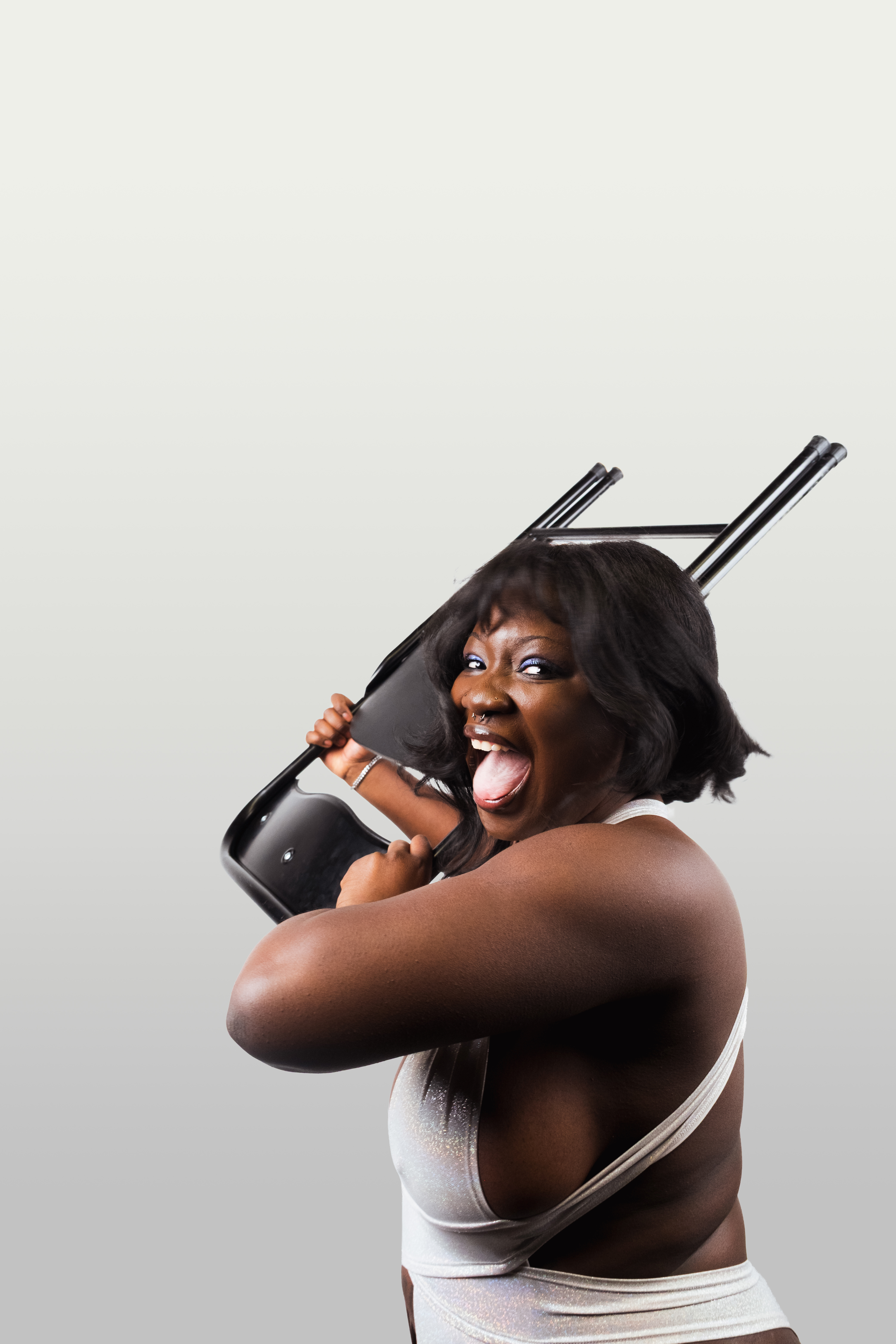
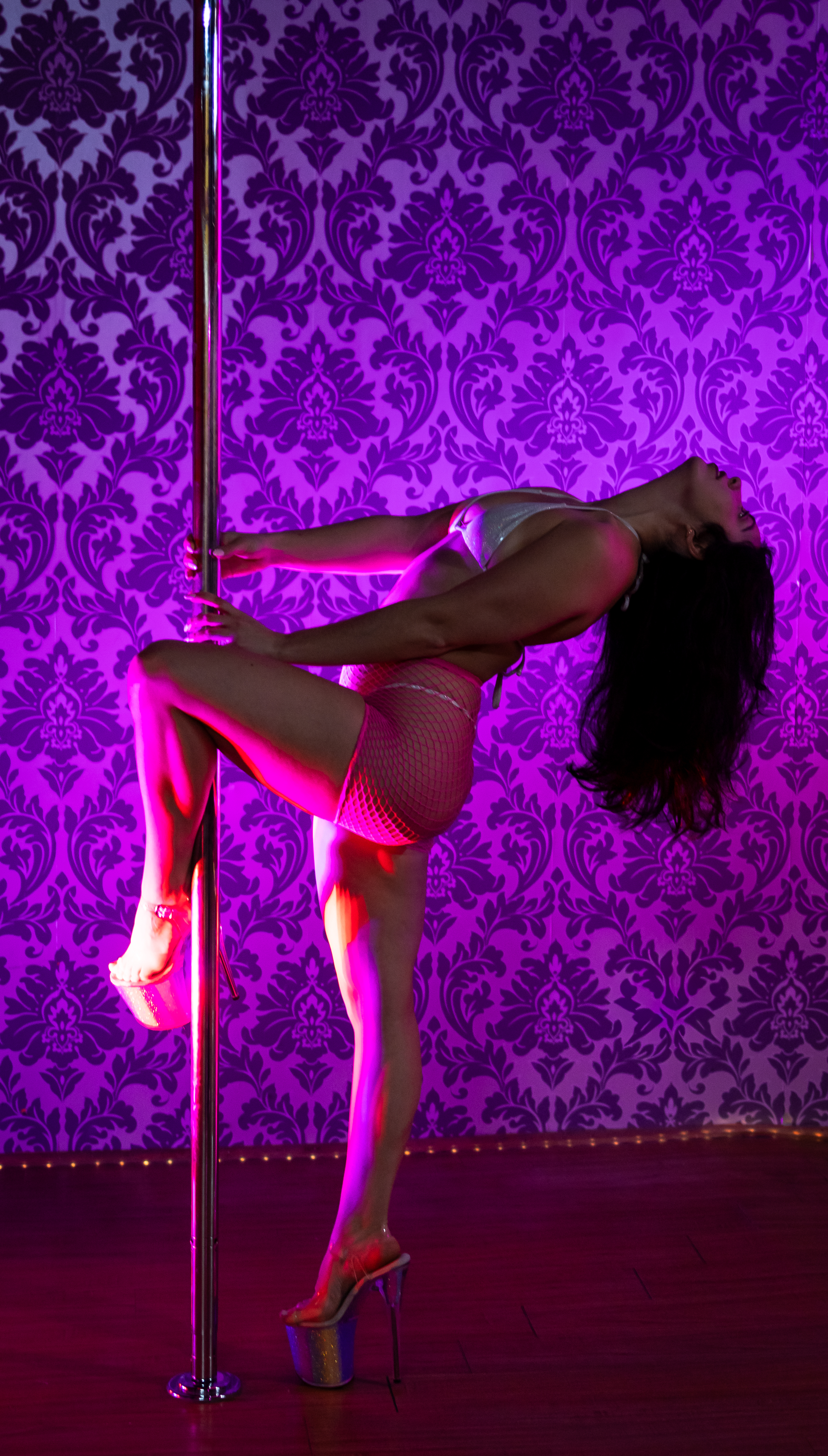
Montreal Pole Dancers in “The Duality of Pole Dance” (bilingual / article / bilingue)
“Je pense que la majorité des personnes peu familières avec la pole dance ont une histoire similaire: un clip, un film, un poster… qui vient figer notre perception de la discipline et nous faire penser: “la pole dance, c’est pour les strippers, non ?” Maible et Ell Eros, instructrice et instructeur de pole dance à Montréal m’ont appris que non. Que ma vision était des plus biaisées et que rien ne vaut une discussion avec quelqu’un d’informé et de passionné pour s’éduquer.” READ MORE >>>
read more interviews from this issue: “On Different Stages” with David Marino, “Making it Happen” with Koby Young, Rory Creelman, and Maria Gajraj, and “The Amateur” with the McGill Artistic Swimming Team.