


"The Amateur" with the McGill Artistic Swimming Team
Text by Itzel Rojas
Creative Direction by Meredith Raine
Photography by Arsham Adams
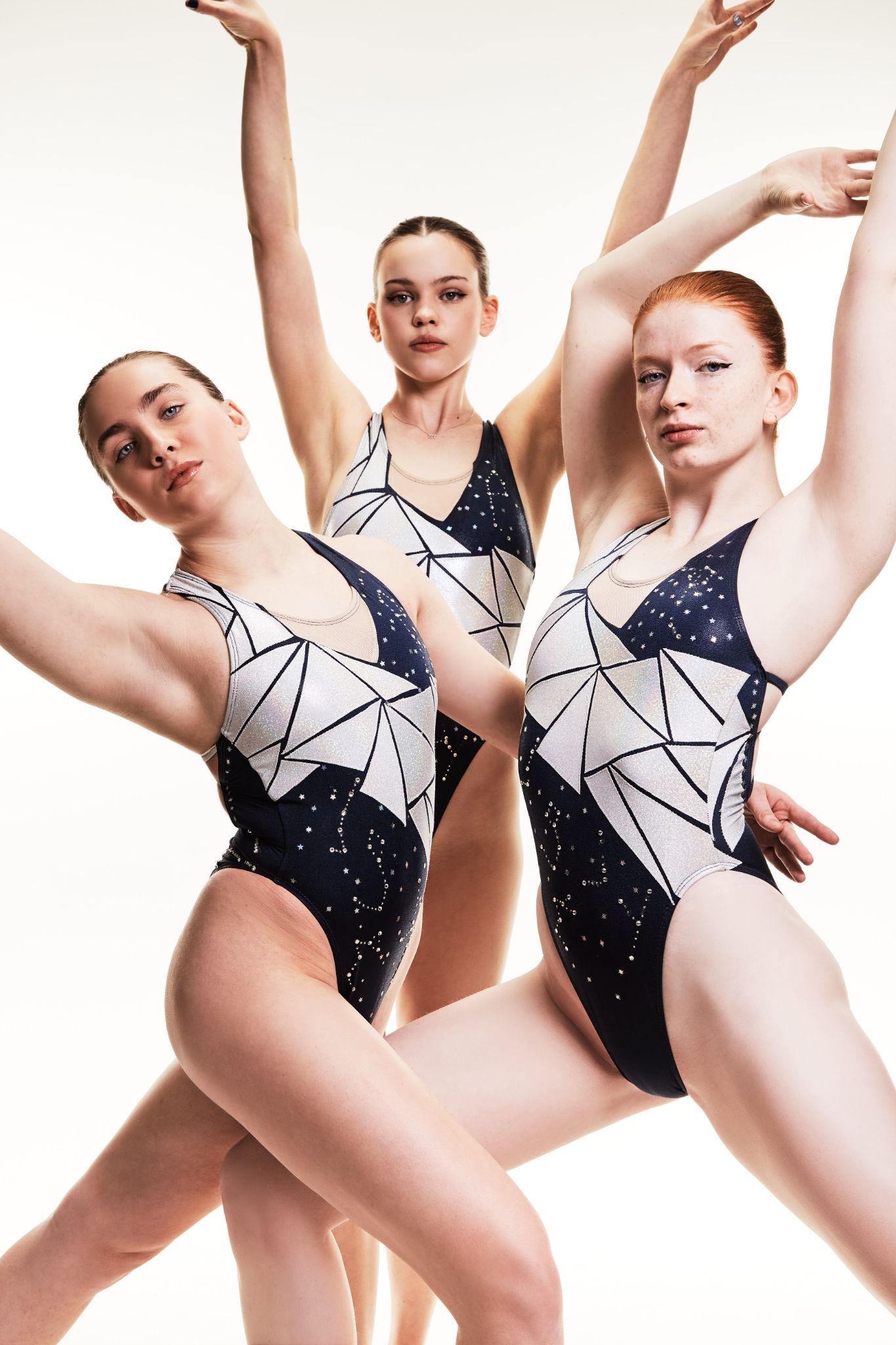 The word amateur is often offered like an apology, as if it signals something unfinished or less than. But its original meaning tells a different story. Amateur comes from the Latin word amator—one who loves, not one who profits. In sports, the amateur is the person who shows up regardless of the outcome.
They wake up early for a 7 a.m. pickup game before work. They tape their own ankles in a dim locker room, no trainer in sight. They pay league fees out of pocket, wear mismatched jerseys, and play on fields where the lines aren’t always painted. Their reward isn’t a contract or a trophy case—it’s the freedom of motion, effort, and belonging.
For Lucy Dawson, a third year student at McGill University, that freedom began early. She was six years old when she followed her sister to a trial artistic swimming day. There was a group for younger kids, and she immediately loved it. A few years on a recreational team turned into competitive training by age ten, and eventually into fourteen years in the sport. “It’s become such a core part of who I am,” she says. “I honestly can’t imagine my life without it. Being in the pool is the one place where everything else shuts off. It’s the only time my mind fully focuses on one thing.”
Amateurs play without guarantees and without an audience, which is precisely where their power lies. Unlike professionals, they aren’t being optimized for performance metrics or brand deals; their relationship to the game is personal and unpolished. They make mistakes loudly and learn in front of their community. They celebrate victories that never make headlines: a clean pass, a personal best, a game finished without injury. There is freedom in that.
Kilty McGonigal experiences that freedom through structure. Upon arriving at McGill University, his plan was to play football but it became clear that balancing the sport with school would drain his enjoyment of both. Within a month on campus, he found the track and field team—and realized how much he needed sport simply to function. “When you’ve done sports your entire life and go to practice or a game about five times a week, you’re used to that schedule,” Kilty says. “Knowing I had practice once a day gave my life a certain rhythm. It made school and work better because I was always on the go.”
The amateur reminds us that sport is not only about mastery, but participation. Not only about excellence, but access. Long before stadiums and sponsorships, sports were communal rituals—ways to move together, to test limits, and to feel alive in a body among other bodies. Amateurs keep that lineage alive. They play because they need it. It connects them to friends, neighbors, and strangers who become teammates. It gives them structure to their life and something to look forward to.
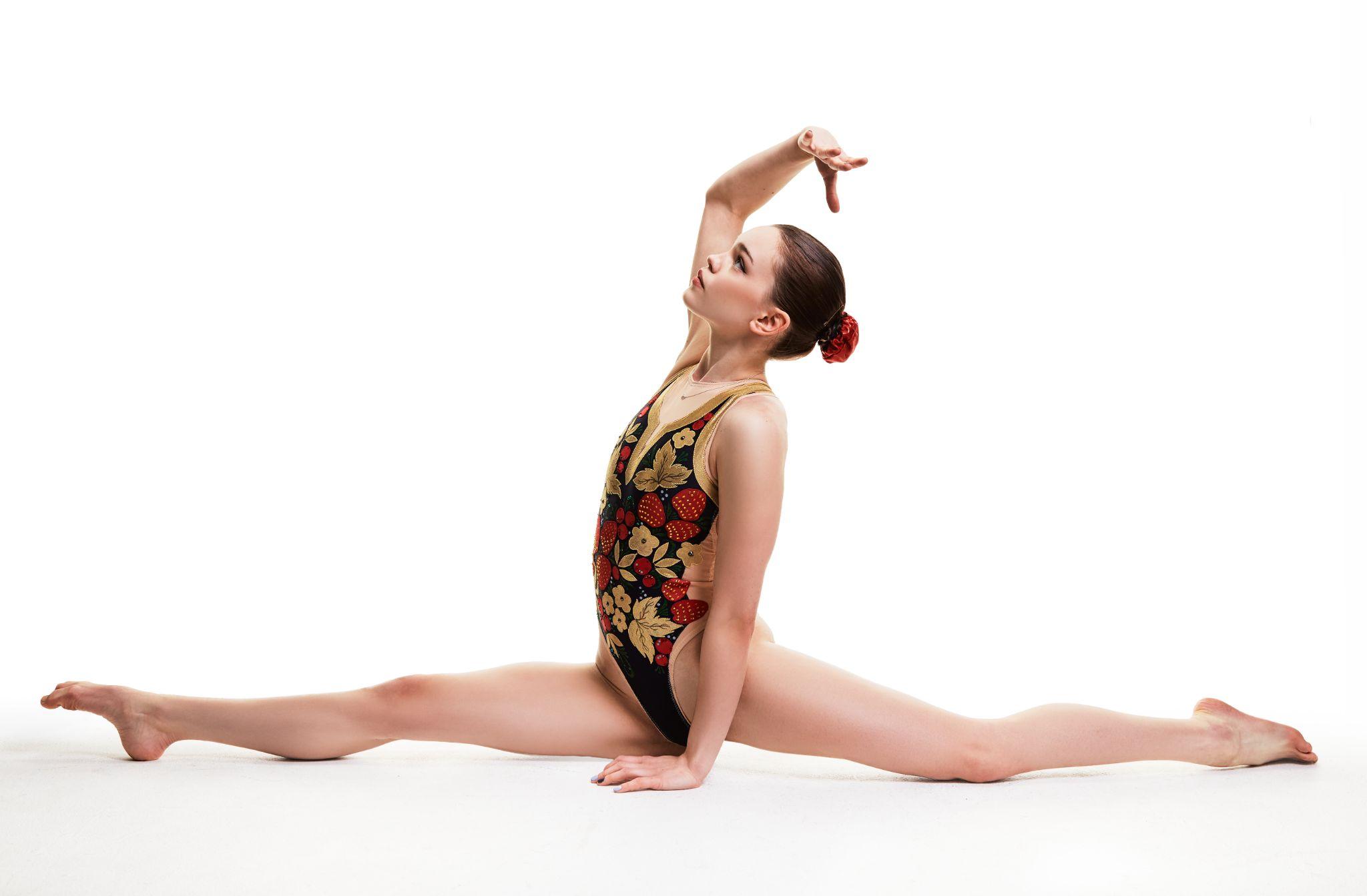
Neither Lucy nor Kilty measure their commitment by a professional endpoint. Lucy has never wanted to take her sport professionally. When people hear how long she’s been swimming, they often ask what the next step is. “I don’t know,” she says. “Probably getting old and still doing the same thing.” Artistic swimming, she notes, is physically taxing, but it also has age categories that extend into later life. For her, success is continuing to enjoy the sport and improve the skills she loves most. “If I took it further than that, I think I would lose my love for it,” Lucy admits. “Synchro is more of a social thing for me. I consistently have a team of eight that I can bond with.”
Kilty’s goals are more competitive, but still grounded in the realities of an amateur system. Track offers few professional pathways; only the very top athletes can make a living from it. He didn’t start the sport with the intention of going pro, but as he became more competitive, his goals sharpened. He’s won provincial titles, finished fourth at Nationals, and now wants to stand on that podium. “Any evolution until then is a success,” he says. Winning, for him, is still meaningful, but it exists within a ladder of intermediate goals rather than a guaranteed career.
In a culture obsessed with optimization, the amateur offers a quieter resistance. They prove that effort is meaningful even when it isn’t monetized. They prove that joy does not require validation and that doing something imperfectly can still be deeply fulfilling. What separates amateurs from professionals is not talent alone, but relationships. Professionals often inherit a system built around them; amateurs build their own.
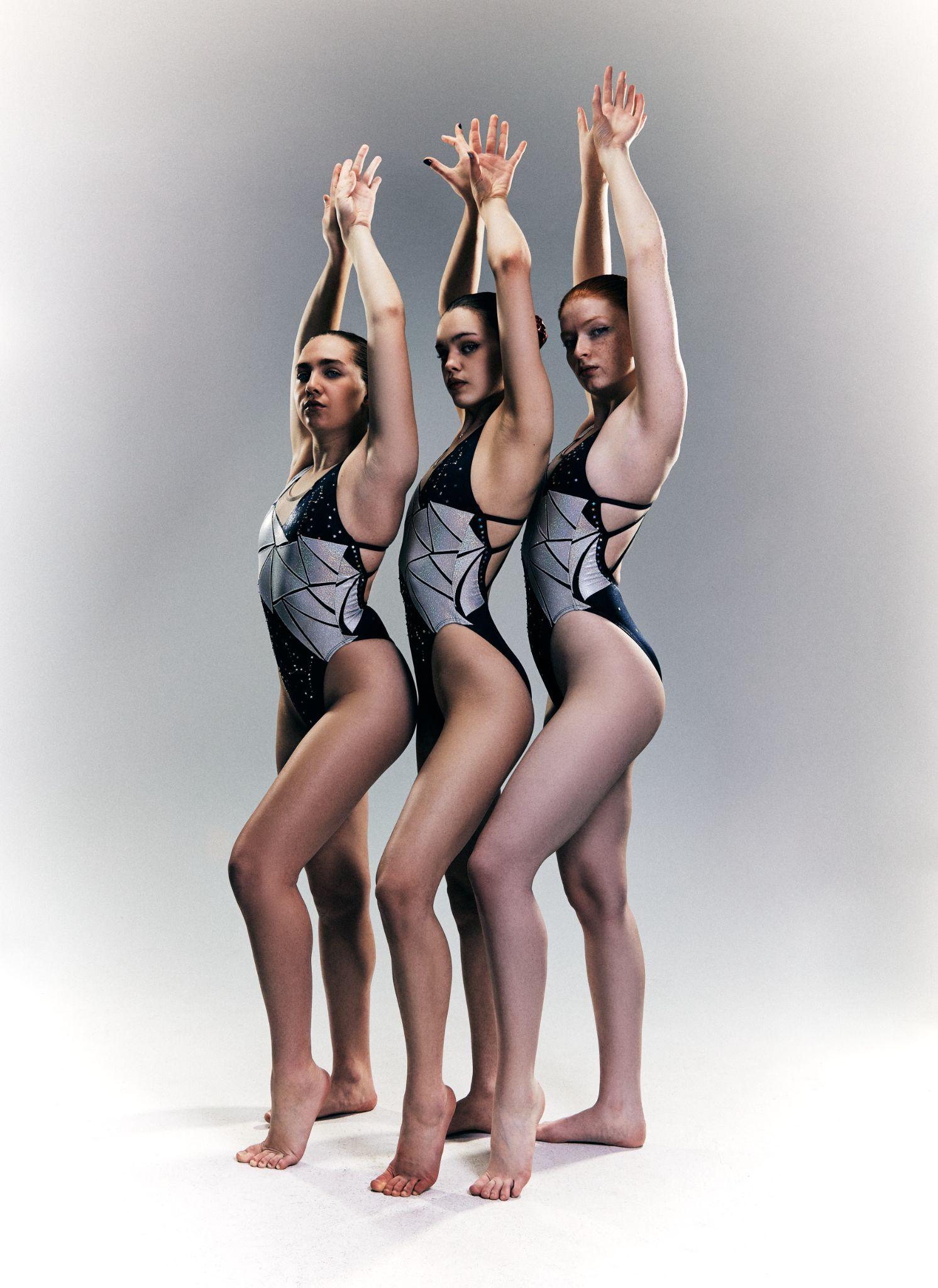 When asked how they feel about the term amateur, both athletes hesitate to fully claim it. Lucy associates it with beginners rather than experience. Kilty sees it as a marker of income rather than commitment. In track, some athletes receive stipends that barely cover expenses while training at an elite level. The line between amateur and professional blurs, but the labor does not disappear. Time, effort, and care are still required, often without the necessary infrastructure to support athletes.
Amateurs organize group chats, reserve courts, share rides, and rotate equipment. They learn how to care for one another because there is no system to do it for them. In that way, amateur sports are quietly radical. They are cooperative before they are competitive, reliant on mutual respect and shared responsibility. Games only happen if players show up. Seasons only exist if people commit. The amateur understands that sport is fragile, and that fragility demands care.
There is courage in amateurism. To play without mastery is to accept vulnerability. Amateurs step into spaces where they might fail, fall, or be outmatched. They risk embarrassment for the sake of experience. Lucy recognizes that choosing not to pursue an extreme professional path protected her relationship to the sport. “I’m glad I never went to extreme levels of training,” she says. “I think I would’ve lost my love for it.” Kilty echoes that shift in perspective, reflecting on his earlier years in football and hockey, where the goal was always money or advancement. “It felt more like learning how to get a job,” he says. Track, by contrast, feels like something pursued for honor rather than income, more like learning for the sake of learning.
Playing for love rather than profit reshapes how amateurs move through the rest of their lives. Lucy’s strict practice schedule structures her days, forcing her to be intentional with her time. It’s demanding, up to five practices a week, but grounding. “It’s really hard to find something that’s worth putting in so much effort for,” Lucy admits. “I’m really grateful that I found what that is.” Kilty credits sport with teaching him discipline and perspective. After navigating high-pressure environments earlier in life, he’s learned to assess what stress is worth carrying and what isn’t. Sport, he says, reveals what actually matters.
Watch an amateur team after a game, win or lose, and you’ll see joy. Laughter replaces the scoreboard, mistakes dissolve into stories. For amateurs, the aftermath often matters as much as the game itself. Sport becomes a social language, a way to stay in touch with others and with oneself. In this sense, amateurs are the stewards of play. They protect sport from becoming only spectacle or industry. They remind us that movement is not something to be consumed, but something to be lived and kept accessible.
Perhaps that’s why amateur sport feels so honest. There is no illusion of perfection to maintain. No brand narrative to uphold. Just effort, sweat, and sincerity. To be an amateur is not to be unfinished, it is to be in process.
At McGill University in Montreal, sport exists beyond podiums and professional contracts. Lucy Dawson and Kilty McGonigal embody a version of athleticism rooted in routine, discipline, and love for the game. Their stories reflect what it means to keep showing up when the reward isn’t a paycheck, but the practice itself.